
Toddlers are busy, curious, and often picky, which can make daily tooth care feel like a negotiation. Yet this is also the age when tooth decay can take hold quickly, sometimes before parents notice anything wrong.
The upside is that toddler tooth decay is largely preventable. With a few consistent habits and early dental visits, you can protect your child’s teeth during these important years.
At Empower Dental Rancho, our pediatric dentistry team in Rancho Cucamonga, CA works with parents to keep young smiles healthy.
What Causes Tooth Decay in Toddlers
Decay starts when bacteria in plaque feed on sugars from food and drinks and produce acid. Baby teeth have thinner enamel than adult teeth, so that acid can do damage faster. Cavity-causing bacteria can also pass from parent to child through shared spoons and cups, or when a pacifier is cleaned in a parent’s mouth.
Common risk factors include frequent snacking, sugary drinks, falling asleep with a bottle, and skipped brushing. Children who already have early white spots on their teeth may also be at higher risk.
Early Warning Signs to Watch For
Toddler tooth decay often begins as chalky white spots or lines near the gumline, especially on the upper front teeth. Over time, those areas can turn yellow, brown, or black. A toddler may also become fussy while eating, avoid certain foods, or rub at their face.
Lift your child’s upper lip once a month during brushing to check the front teeth. If something looks off, schedule a visit so the dentist can take a closer look.
Daily Habits That Protect Toddler Teeth
Simple routines practiced every day are the strongest defense against cavities.
Brush Twice a Day With Fluoride
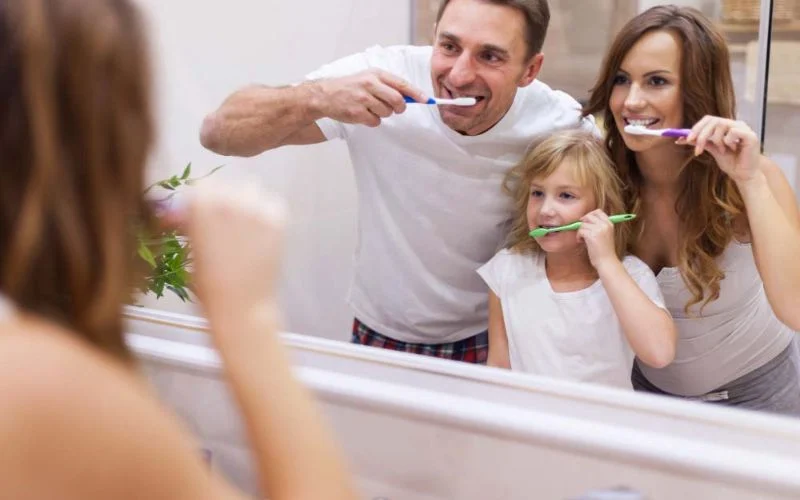
Use a soft toddler brush and a smear of fluoride toothpaste the size of a grain of rice until age 3. Brush every surface of every tooth, including the backs and the chewing surfaces, and make the last brushing happen right before bed.
Start Flossing When Teeth Touch
Once two teeth sit side by side, food can get trapped between them. Kid-sized flossers make it easier to clean those spaces while your toddler sits in your lap.
Make Bedtime Bottle-Free
Milk, formula, and juice can pool around teeth during sleep, when saliva flow slows down. If your child needs something at bedtime, offer only water. The American Dental Association explains the risks of tooth decay with baby bottles in more detail.
Rethink Snacks and Drinks
Try to keep snacks to set times rather than all-day grazing. Good choices include cheese, plain yogurt, eggs, and soft cooked vegetables. Save juice for occasional treats, and make water the default drink.
The Role of Fluoride
Fluoride is one of the most useful tools for protecting toddler teeth. It helps rebuild weakened enamel and makes teeth more resistant to acid. Toothpaste is the main source at home, and many communities also add fluoride to their tap water.
Your dentist may also recommend fluoride varnish, a quick painted-on coating applied during checkups. It sets within moments and may offer added protection for children at higher risk. Using the correct small amount of toothpaste at home keeps the benefits while limiting how much your toddler swallows.
Tips for Brushing a Reluctant Toddler
Many toddlers resist brushing at some point. A few strategies can help the routine go more smoothly.
- Lay your child’s head in your lap so you can see every tooth
- Let your toddler hold a second toothbrush while you brush
- Sing the same short song each time so they know when it will end
- Brush your own teeth alongside them so they can copy you
- Praise effort rather than focusing on resistance
How Dental Visits Help
Regular dental checkups allow the dentist to spot early enamel changes and apply fluoride varnish, which may help slow or even reverse very early decay. The dentist can also show you brushing positions that work for your child’s mouth and answer questions about pacifiers, thumb sucking, and teething. Later, when the first permanent molars arrive around age 6, dental sealants can add another layer of protection to the chewing surfaces.
If decay has already started, small cavities can often be repaired with tooth-colored fillings. For young children who have trouble sitting still for treatment, the dentist can talk with you about comfort options, such as nitrous oxide, when appropriate. You can learn more about preventive and restorative care on our general dentistry page.
Frequently Asked Questions
How Early Can Toddlers Get Cavities?
Cavities can form as soon as teeth erupt. That is why brushing should start with the first tooth and why a first dental visit is often recommended by age 1.
Are Fruit Juices Bad for Toddler Teeth?
Even 100 percent juice contains natural sugars that bacteria can use. Limiting juice and serving it with meals, rather than in a bottle or sippy cup, helps reduce the risk.
Do Cavities in Baby Teeth Need to Be Treated?
In most cases, yes. Untreated decay can cause pain and infection and may affect the permanent teeth developing below.
Can My Toddler Use Regular Toothpaste?
Toddlers can use fluoride toothpaste in a very small amount. Choose a flavor your child tolerates, and focus on using the correct amount for their age.
Small steps taken every day can spare your toddler from pain and treatment later on. To schedule a visit or get personalized tips, contact Empower Dental Rancho at our Rancho Cucamonga office.