
Gum disease often develops quietly. Early on, you may notice a little bleeding when you brush or floss, but there is usually no pain. Over time, bacteria below the gumline can create deeper pockets between the gums and teeth, and those pockets are hard to keep clean at home.
Laser gum treatment is one way dentists address that infected tissue. This article explains what laser therapy involves, how it compares with traditional deep cleaning, what recovery is usually like, and how to decide whether it may be a good fit for you.
At Empower Dental Rancho, we provide gum treatment in Rancho Cucamonga, and our group also offers laser periodontal therapy at our Burbank office.
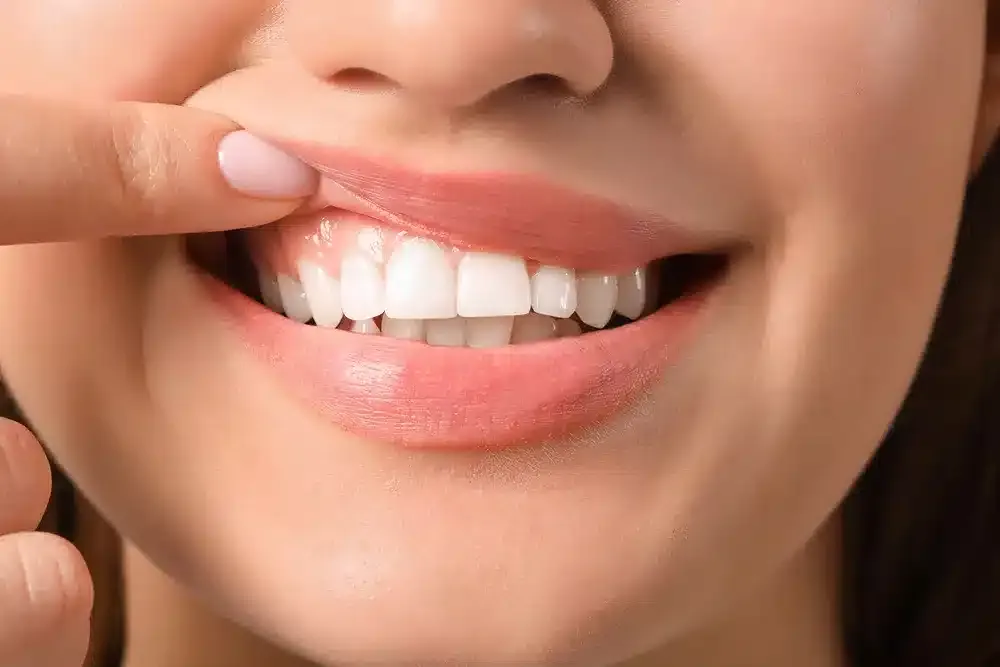
How Gum Disease Progresses
Gum disease usually begins as gingivitis, an inflammation of the gums caused by plaque buildup. At this stage, the gums may look red, feel tender, or bleed easily, and the condition can often be reversed with professional cleaning and better daily habits.
If plaque and tartar stay in place, the infection can move deeper. This stage, called periodontitis, can damage the tissue and bone that hold teeth in place. The National Institute of Dental and Craniofacial Research offers a clear overview of gum disease causes, symptoms, and treatment.
Warning Signs to Watch For
Common signs include gums that bleed when you brush, persistent bad breath, gums that pull away from the teeth, sensitivity near the gumline, and teeth that feel loose or shift position. Any of these is a good reason to schedule an exam.
What Laser Gum Treatment Involves
Laser periodontal therapy uses a focused dental laser to remove inflamed or infected tissue from inside gum pockets. The laser energy also helps reduce bacteria in the treated area. Many laser treatments are paired with scaling to remove hardened tartar from tooth roots.
Different Types of Dental Lasers
Several types of lasers are used in dentistry, including diode, Nd:YAG, and erbium lasers. Each interacts with tissue differently, and the choice depends on the treatment goal and the dentist’s training. You may also come across LANAP, a recognized laser protocol for treating periodontitis. It is one specific approach among several laser methods, and your dentist can explain which type of laser care, if any, fits your situation.
Typical Steps of a Laser Session
While every office follows its own process, a laser gum appointment often includes these stages.
- Measuring pockets to record how deep the spaces between the gums and teeth have become.
- Numbing the area with local anesthesia so the treatment is comfortable.
- Treating the pocket with the laser to remove diseased tissue and reduce bacteria.
- Cleaning the roots to remove tartar and smooth the surfaces where bacteria collect.
- Reviewing aftercare so you know how to protect the area while it heals.
Laser Therapy Compared With Traditional Treatment
The traditional first step for periodontitis is scaling and root planing, often called a deep cleaning. It removes tartar from below the gumline and smooths the roots so gums can reattach. For many patients, deep cleaning alone is effective, especially when the disease is caught early.
Laser therapy may be considered as an addition or alternative in certain cases. Some patients find laser treatment involves less bleeding and swelling than conventional gum surgery, although experiences vary. Research on lasers in periodontal care is still growing, so a careful exam and an honest discussion of options matter more than any single technique.
What Recovery Is Usually Like
Many people return to normal routines within a day or two after laser gum treatment. Mild tenderness, minor swelling, or some sensitivity near the gumline can happen for a few days.
Aftercare Basics
Your dentist will give you specific instructions, but common guidance includes eating softer foods for several days, avoiding very hot or spicy foods, brushing gently near the treated area, and avoiding tobacco, which can slow healing. Follow-up visits allow the dentist to check how the gums are responding and to measure pocket depths again over time.
Keeping Results Over the Long Term
Gum treatment works best when it is followed by steady home care and regular professional visits. Patients with a history of periodontitis often need cleanings more often than twice a year. Our X-rays, exams, and cleanings help track gum health over time, and our doctors practice as multi-skilled general dentists, so the same team can follow your care from evaluation through maintenance.
We accept all PPO plans in network, along with HSA and FSA. At our Rancho Cucamonga office, financing is available through Alphaeon and Happen Bank for patients who prefer to spread out the cost of treatment.
Frequently Asked Questions
Is laser gum treatment painful?
Local anesthesia is used during treatment, so most patients feel pressure rather than pain. Some tenderness afterward is common and usually fades within a few days.
Is laser treatment better than a deep cleaning?
Not always. Deep cleaning is effective for many patients, and laser therapy may be helpful in certain situations. The right approach depends on how advanced the gum disease is and on your overall health.
Is LANAP the same as laser periodontal therapy?
Not exactly. LANAP is one specific, recognized laser protocol, while laser periodontal therapy is a broader term for gum treatment that uses a dental laser. Our Burbank office provides laser periodontal therapy, and the dentist can explain which approach fits your needs after an exam.
How do I know if I need gum treatment?
Bleeding gums, persistent bad breath, receding gums, or loose teeth are all reasons to schedule an evaluation. Measuring your gum pockets is the most reliable way to find out.
Schedule a Gum Health Evaluation
If your gums bleed, feel tender, or look different than they used to, an exam is the best first step. Our team will measure your gum pockets, explain what we find, and talk through treatment options, including when laser care may be worth considering. Contact Empower Dental Rancho to schedule a gum evaluation, or ask about periodontal care at our Burbank office.