
Braces can look like a single piece of hardware, but they are actually a system of small parts working together. Each piece has a specific job, from holding the wire in place to guiding teeth in a certain direction.
Knowing what each part does can make appointments less confusing and help you spot when something needs attention. It also makes it easier to clean around your braces properly.
At Empower Dental Rancho, we provide braces and orthodontics in Rancho Cucamonga, CA and are happy to walk you through every part of your appliance.
How Braces Move Teeth
Braces apply gentle, steady pressure to the teeth. Over time, the bone around each tooth remodels, allowing the tooth to shift into a new position. The parts described below control the direction and amount of that pressure. The ADA MouthHealthy overview of orthodontics offers a helpful summary of how this process works.
The Main Parts of Braces
Traditional braces are made up of several components, and most patients will have all or most of the pieces below.
Brackets
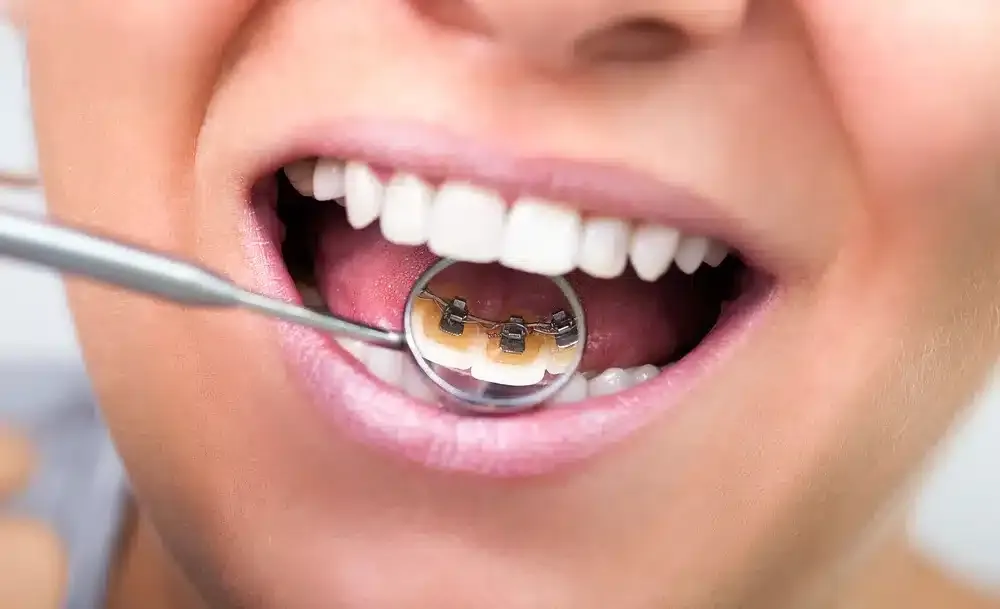
Brackets are the small squares bonded to the surface of each tooth. They act as handles that hold the wire and transfer its force to the tooth. Brackets can be stainless steel, tooth-colored ceramic, or, with lingual braces, placed on the tongue side of the teeth.
Bonding Adhesive
A dental adhesive holds each bracket to the enamel. It is strong enough to stay in place during treatment yet designed to be removed cleanly when braces come off. Hard or sticky foods can sometimes loosen a bracket, which is one reason diet guidelines matter.
Archwire
The archwire is the thin metal wire that runs through every bracket. It does most of the work of moving teeth. Early in treatment, wires are often flexible, and later wires tend to be firmer to fine-tune positions. Your dentist changes or adjusts the wire at follow-up visits.
Ligatures or O-Rings
Ligatures are the tiny elastic rings or thin wires that hold the archwire in each bracket slot. The elastic versions come in many colors, which many patients enjoy changing at each visit. Self-ligating brackets use a built-in clip instead, so they do not need separate ties.
Bands and Buccal Tubes
Bands are metal rings that may be fitted around the back molars to anchor the system. A buccal tube attached to the band or bonded directly to the molar holds the end of the archwire. Not every patient needs bands, since many molars can use bonded tubes alone.
Elastics, Hooks, and Springs
Small rubber bands, sometimes called interarch elastics, attach to hooks on the brackets and connect the upper and lower teeth. They help correct how the jaws line up, such as an overbite or underbite. Coil springs can be placed along the wire to open or close space between specific teeth. Some patients also need spacers, which are placed briefly between teeth before bands are fitted.
What Happens at Adjustment Visits
Braces are checked and adjusted at regular intervals, often every several weeks. At these visits, the team may remove the ligatures, swap the archwire for a different size, place new ties, and check how each tooth is responding. Elastics or springs may be added or changed as treatment moves into new stages.
It is normal to feel some pressure or tenderness for a day or two afterward. That feeling usually means the new wire or elastics have started working.
Signs a Part Needs Attention
Let the office know if a bracket feels loose, a wire is poking your cheek, a band seems to shift, or an elastic hook breaks. Small issues are easier to fix early, and leaving them alone can slow progress.
Caring for All the Parts
Braces create many new places for plaque and food to hide. A careful routine helps protect your enamel and gums while teeth move.
- Brush after meals, angling the brush above and below each bracket
- Use floss threaders or a water flosser to clean under the archwire
- Avoid hard, sticky, and chewy foods that can bend wires or loosen brackets
- Cover any poking wire with orthodontic wax until it can be adjusted
- Wear elastics exactly as instructed, since skipped days can slow progress
Regular dental cleanings and exams are still important during treatment, since your hygienist can reach areas that are hard to clean at home.
Alternatives Without Brackets and Wires
Not everyone wants traditional hardware. Clear aligners, such as Invisalign, use a series of removable trays instead of brackets and wires. They suit many mild to moderate cases, though they depend on being worn most of the day. Your dentist can explain whether braces or aligners make more sense for your bite.
Frequently Asked Questions
What Should I Do if a Bracket Comes Loose?
Call the office to let the team know. If the bracket is still attached to the wire, leave it in place and cover any sharp edges with wax. Most loose brackets are not an emergency, but they should be repaired soon so treatment stays on track.
Why Do the Colored Bands Get Changed at Each Visit?
Elastic ligatures lose some of their stretch and can stain over a few weeks. Replacing them at adjustment visits keeps the wire seated firmly and gives you a chance to choose new colors.
Are Ceramic Brackets Weaker Than Metal Ones?
Ceramic brackets are durable but can be more brittle than stainless steel. They are a popular choice for a more discreet look, and your dentist can tell you whether they are a good fit for your bite.
Questions About Your Braces
Whether you are considering braces or already wearing them, our team is glad to explain how each part works and what to expect at every stage. Contact Empower Dental Rancho to schedule a consultation or adjustment at our Rancho Cucamonga office.