
If you are considering dental implants, you may have heard that some people need a bone graft first. That can sound intimidating, but a graft is simply a way to rebuild the foundation an implant needs. Not everyone requires one, and the only way to know for sure is a careful exam with imaging.
This guide explains why jawbone matters for implants, what tends to cause bone loss, how dentists decide whether grafting is needed, and what the process usually involves. It can help you walk into your consultation with clearer questions.
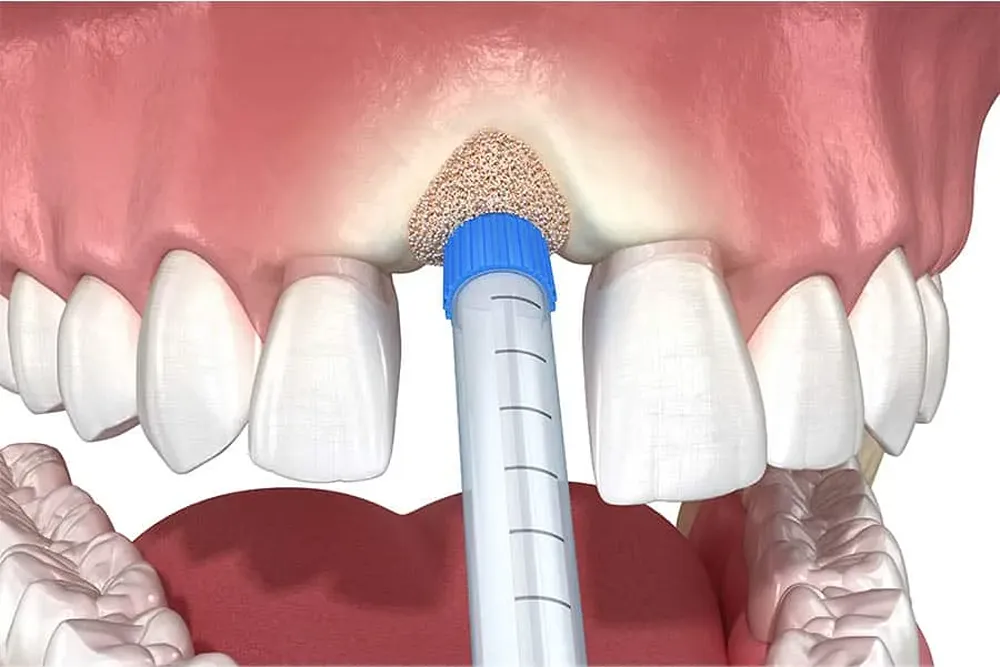
Why Jawbone Matters for Dental Implants
An implant post is placed directly into the jawbone, where it acts as a replacement root. For the post to stay stable, bone needs to surround it on all sides and fuse to its surface over the following months. If the bone is too thin, too short, or too soft, the post may not have enough support to handle chewing forces.
Think of it like setting a fence post. A post in shallow or crumbling ground may lean or loosen, while one set in solid ground stays firm. Bone grafting adds volume to the “ground” so the implant has a better chance of long-term stability.
Common Reasons for Jawbone Loss
Bone in the jaw stays healthy partly because tooth roots stimulate it when you chew. When a tooth is lost, that stimulation stops, and the bone in that area can gradually shrink. Several other factors can also reduce bone volume.
- A tooth that has been missing for a long time
- Advanced gum disease that has damaged supporting bone
- Infection or trauma around a tooth before extraction
- Wearing a removable denture for many years
- Natural anatomy, such as a thin ridge or a low sinus floor
The upper back jaw deserves special mention. The sinuses sit just above the roots of the upper molars, and after those teeth are lost, there may be very little bone height left. In that situation, a sinus lift may be recommended to add bone beneath the sinus membrane.
How Dentists Decide Whether You Need a Graft
You cannot tell whether you need a bone graft by looking in the mirror. The decision is based on measurements and imaging, along with your health history and treatment goals.
3D Imaging and Measurements
A cone beam CT scan shows the height, width, and density of the bone in three dimensions. It also shows nearby structures such as nerves and sinuses. This lets the dentist see whether a standard implant will fit or whether added bone would make placement more predictable.
Your Overall Health
Conditions that affect healing, tobacco use, and certain medications can all influence the plan. Your dentist will review these before recommending grafting or implant placement.
The Type of Restoration You Want
A single implant, an implant bridge, and a full-arch restoration each have different bone requirements. In some full-arch cases, angled posts may make use of existing bone and reduce the need for grafting, though this depends on each person’s anatomy.
Types of Dental Bone Grafts
Grafting is not a single procedure. The approach depends on where bone is needed and how much.
Socket Preservation
When a tooth is extracted, graft material can be placed in the empty socket right away. This helps limit the shrinkage that often follows an extraction and may make a later implant simpler. If you need a tooth extraction and plan to replace the tooth, ask about this option before the extraction appointment.
Ridge Augmentation
If the jaw ridge has become too narrow or too short, graft material can be added to rebuild its width or height. This is common where a tooth has been missing for some time.
Sinus Lift
A sinus lift adds bone to the upper back jaw by gently raising the sinus membrane and placing graft material underneath it.
Graft material may come from your own body, a donor source, an animal source, or a synthetic product. Each type acts as a scaffold that your body gradually replaces with its own bone. Cleveland Clinic provides a clear explanation of dental bone grafts if you would like more background.
What Recovery and Timing Usually Look Like
Most bone grafts are done with local anesthesia, and sedation may be available for people who feel anxious. Mild swelling and soreness for a few days are common, and your dentist will give you instructions for eating, cleaning, and medications.
The graft then needs time to mature before an implant can be placed. Healing time varies from person to person and depends on the size and type of graft. In some cases, a small graft can be placed at the same visit as the implant, which shortens the overall timeline.
Frequently Asked Questions
Here are answers to a few common questions about bone grafting before implant treatment.
Is a Bone Graft Painful?
Most people report soreness rather than sharp pain, and the area is numbed during the procedure. Over-the-counter or prescribed pain relief usually helps during the first few days.
Can I Get Implants Without a Bone Graft?
Many people can, if imaging shows enough healthy bone. Some may also be candidates for alternative implant designs or placement angles, which your dentist can review with you.
How Long After a Bone Graft Can I Get an Implant?
It depends on the graft and how you heal. Your dentist will check the site with imaging before deciding when the area is ready for an implant.
Does Insurance Cover Bone Grafting?
Coverage varies by plan. We accept all PPO plans in network, along with HSA and FSA, and our team can help you understand your benefits before treatment.
Talk With Our Rancho Cucamonga Team
The answer to “do I need a bone graft?” comes from a thorough exam, not a guess. At Empower Dental Rancho, we use 3D digital scanning and digital planning to map out your dental implant treatment and to determine whether bone grafting in Rancho Cucamonga would help. Sedation options are available through our sedation dentistry services, and financing is available through Alphaeon and Happen Bank. Contact our Rancho Cucamonga office to schedule your consultation.